95%
Pages Properly Indexed After Audit
Technical SEO Services that fix the crawlability, indexing, and Core Web Vitals issues silently holding your rankings down.
Get My Free SEO Audit






Results from Kapissh Curtains — a UniBright content client, over an 18-month program.
Pages Properly Indexed After Audit
Average Core Web Vitals Improvement
Increase in Crawl Efficiency
Average Time to Deliver Full Audit
Pages That Simply Don’t Exist to Google
Misconfigured sitemaps, blocked resources, and broken internal linking leave your best pages invisible — and a page that isn’t indexed can’t rank for anything.
Bots Burning Time on the Wrong Pages
Parameter URLs, duplicates, and orphaned pages quietly burn crawl budget while the pages that drive revenue wait in line.
A Ranking Signal You Can’t Ignore
Slow LCP, laggy INP, and shifting CLS drag down rankings and conversions at once — and most owners never check the real-world scores Google actually uses.
Missing Rich Results You’re Entitled To
Without structured data you forfeit review stars, FAQ results, and product rich snippets — and you’re far less likely to be pulled into AI answers.
Missing From Google AI Overviews and ChatGPT
If AI crawlers can’t render or understand your infrastructure, you won’t appear in AI Overviews, ChatGPT answers, or Perplexity citations.
Redirect Chains, 404s & Soft Errors
Redirect chains, broken links, soft 404s, and HTTPS misconfigurations quietly bleed authority until rankings collapse for no “content” reason at all.
We’re a full-service technical SEO agency that audits, fixes, and monitors the infrastructure behind your rankings — not just a report you’ll never act on.
What’s Included in Every Technical SEO Engagement

A full-site crawl identifying every indexing error, canonical conflict, redirect chain, duplicate content instance, schema error, and speed problem.

Simulating how Googlebot crawls your site, fixing noindex tags, soft 404s, sitemap errors, and robots.txt issues so every important page gets indexed.

Fixing LCP, INP, and CLS failures identified through field data and lab testing to improve website performance and rankings together.
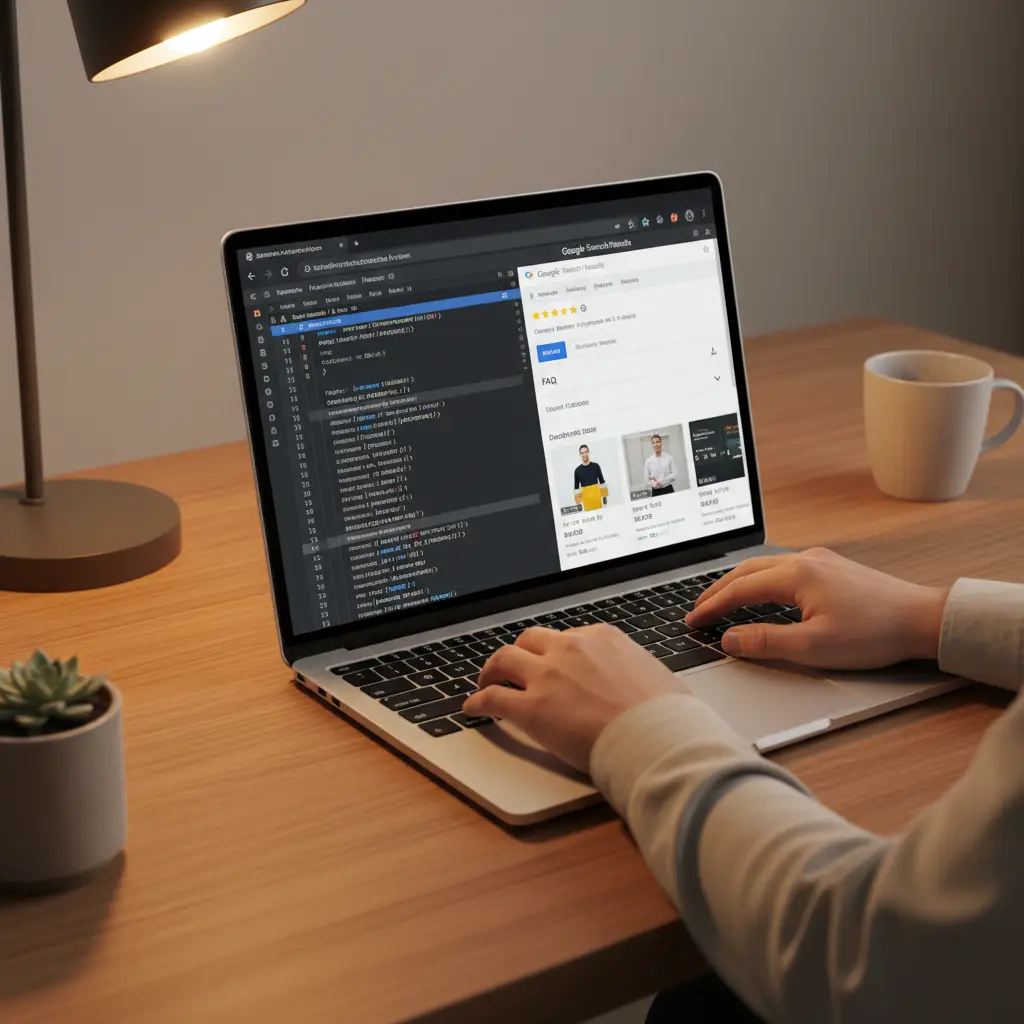
Adding and correcting structured data for Organization, LocalBusiness, Product, FAQ, and Article so search engines and AI systems understand your pages.
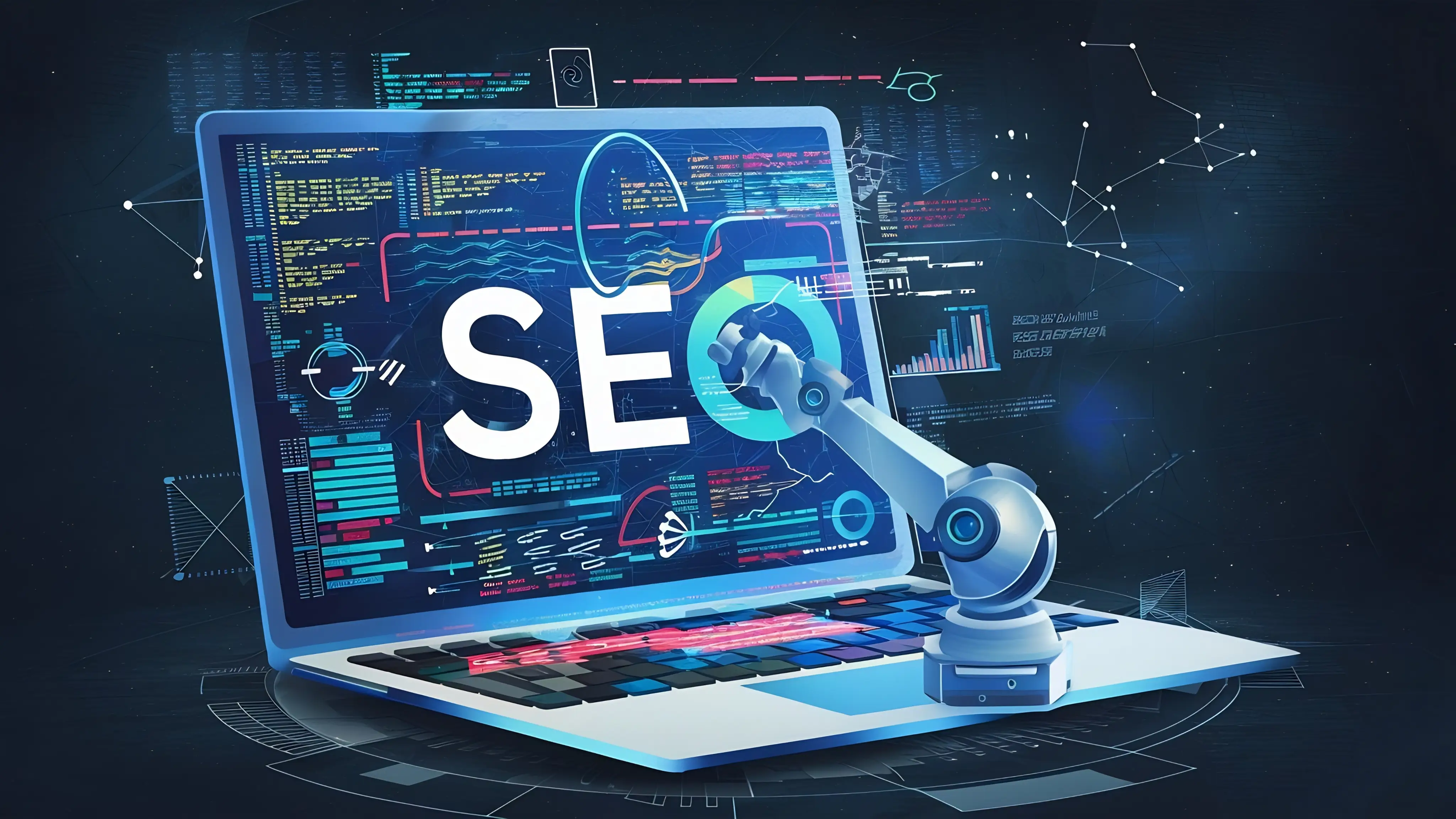
Preparing your site architecture, renderability, and entity signals so AI layers can crawl, extract, and cite your brand in Overviews and answer engines.

Large-catalog crawl strategy, faceted navigation fixes, product page indexation, and site-speed work built for online stores that need every SKU discoverable.

Resolving plugin conflicts, permalink issues, and redundant canonicals, with Core Web Vitals optimized for your theme.

Tracking index coverage, Core Web Vitals, and organic performance through Search Console and GA4 after every fix.
Frequently Asked Questions
Technical SEO is the process of optimizing a website's infrastructure so search engines can efficiently crawl, index, and rank its pages. It covers website crawlability, indexing, page speed, Core Web Vitals, structured data, mobile optimization, and site architecture. Unlike on-page SEO, which focuses on content, Technical SEO ensures the foundation of your site is sound because even the best content can't rank on a website search engines struggle to read.
Technical SEO is important because search engines can't rank pages they can't crawl or index. If Googlebot can't access your pages, they never enter the index. If your Core Web Vitals fail, you rank below faster competitors. If schema markup is missing, you lose rich results. Investing in Technical SEO services protects every other SEO investment because modern search depends on strong technical foundations.
A complete Technical SEO website audit includes crawl analysis, index coverage review, Core Web Vitals testing, XML sitemap and robots.txt audits, internal link and redirect mapping, canonicalization checks, structured data validation, mobile usability testing, a professional SEO audit also documents the severity of each issue and prioritizes fixes by ranking impact. UniBright's website audit additionally covers JavaScript rendering and AI search readiness.
Improve Technical SEO by running a full SEO analysis of your site, then fixing issues in order of ranking impact: indexing errors first, then crawl budget waste, Core Web Vitals failures, schema markup gaps, and canonicalization conflicts. Prioritizing by impact is far more effective than working through a checklist from top to bottom. Deliver Technical SEO fixes for better rankings in weeks rather than months, then recrawl the site after fixes to confirm every change worked.
Crawlability is a search engine's ability to access and read the pages on your website. Good crawlability means Googlebot can reach every important page through clean internal links, a correct robots.txt file, and an accurate XML sitemap. Poor crawlability leaves pages invisible to search engines, which is why website crawlability and indexing optimization is the foundation of every Technical SEO engagement.
Fix website indexing issues by checking Google Search Console's Index Coverage report, removing accidental noindex tags, resolving canonical conflicts, fixing soft 404s, submitting a clean XML sitemap, and strengthening internal links to orphaned pages. Most indexing failures trace back to these five causes. If pages still aren't indexed after these fixes, a deeper technical SEO audit of server responses and JavaScript rendering usually reveals the root cause.
Schema markup is structured data code that tells search engines exactly what your content means: a product, review, FAQ, or local business. It powers rich results like star ratings, FAQ dropdowns, and breadcrumbs, which can raise click-through rates significantly. Search engines rely on structured data to understand and cite your pages accurately.
Core Web Vitals—Largest Contentful Paint (LCP), Interaction to Next Paint (INP), and Cumulative Layout Shift (CLS)—are direct Google ranking signals under the Page Experience update. Pages that pass their thresholds rank above slower competitors. They also affect bounce rate, engagement, and conversion because users expect fast, stable websites. That's why website speed optimization and Technical SEO are handled together in every UniBright engagement.
Technical SEO controls how search engines access and process your website: crawling, indexing, site speed, schema markup, and page experience. On-page SEO optimizes the content within individual pages—titles, headings, keywords, and internal links. Both are necessary, but Technical SEO is foundational. If search engines can't crawl or index your pages, on-page optimization produces no ranking benefit.
Most websites need a full Technical SEO audit annually and a lighter crawl-based review every quarter. Audit immediately after a site migration, CMS change, redesign, or hosting switch, and at any time organic traffic drops suddenly. Large eCommerce and enterprise sites with thousands of URLs benefit from continuous monitoring because a single template change can create indexing issues across the entire site overnight.
Professional Technical SEO services use Screaming Frog for full-site crawling, Google Search Console for index coverage and Core Web Vitals field data, PageSpeed Insights and GTmetrix for speed testing, Sitebulb for visual crawl mapping, and Ahrefs or Semrush for competitive SEO analysis. No single tool captures everything, so a reliable website audit combines multiple tools with manual validation.
Yes. Technical SEO for Google AI Overviews directly improves your visibility in AI-generated answers across Google, ChatGPT, Gemini, and Perplexity. AI engines cite websites with clean crawlability, fast load times, accurate schema markup, and clear entity signals. A technically sound site is far more likely to be quoted as a source, making Technical SEO the foundation of both traditional rankings and AI search visibility.
The cost of Technical SEO services depends on your site's size, platform, and the severity of issues found in the initial audit. A 40-page local business site and a 10,000-page online store need very different scopes. Rather than quoting a flat number, UniBright builds a proposal after a free website audit so whether you need Technical SEO services for small businesses or an enterprise site, pricing matches your actual needs, not a generic package.