204%
Organic Growth
We manage Google Shopping, Search, and Performance Max campaigns for US ecommerce brands that care about one number — the return on every dollar of ad spend, not clicks or impressions.
Get My Free PPC Growth Plan











Results from Kapissh Curtains, a UniBright ecommerce PPC client
Organic Growth
Return on Ad Spend
Lower Customer Acquisition
Higher Average Order Value
Without campaigns structured around purchase intent, high-margin products, and a tuned product feed, shoppers click the ad, browse for a moment, and leave before checkout. The budget still gets spent — the sale just never happens.
Broad match without negative keywords quietly drains budget on searches that will never buy. Ecommerce paid search only becomes profitable when every dollar is pointed at queries that signal a ready buyer.
Google Shopping Ads and Performance Max are only as strong as the feed behind them. Missing attributes, weak titles, and a neglected Merchant Center mean your best products stay invisible while competitors show up first.
Search, Shopping, Performance Max, and Meta each need their own structure, creative, and bidding. Running the same budget and creative everywhere means you pay for reach you never convert.
Without dynamic remarketing and cart-recovery flows, the shopper who wasn’t ready on the first visit disappears — and you pay again to find them as if they were brand new.
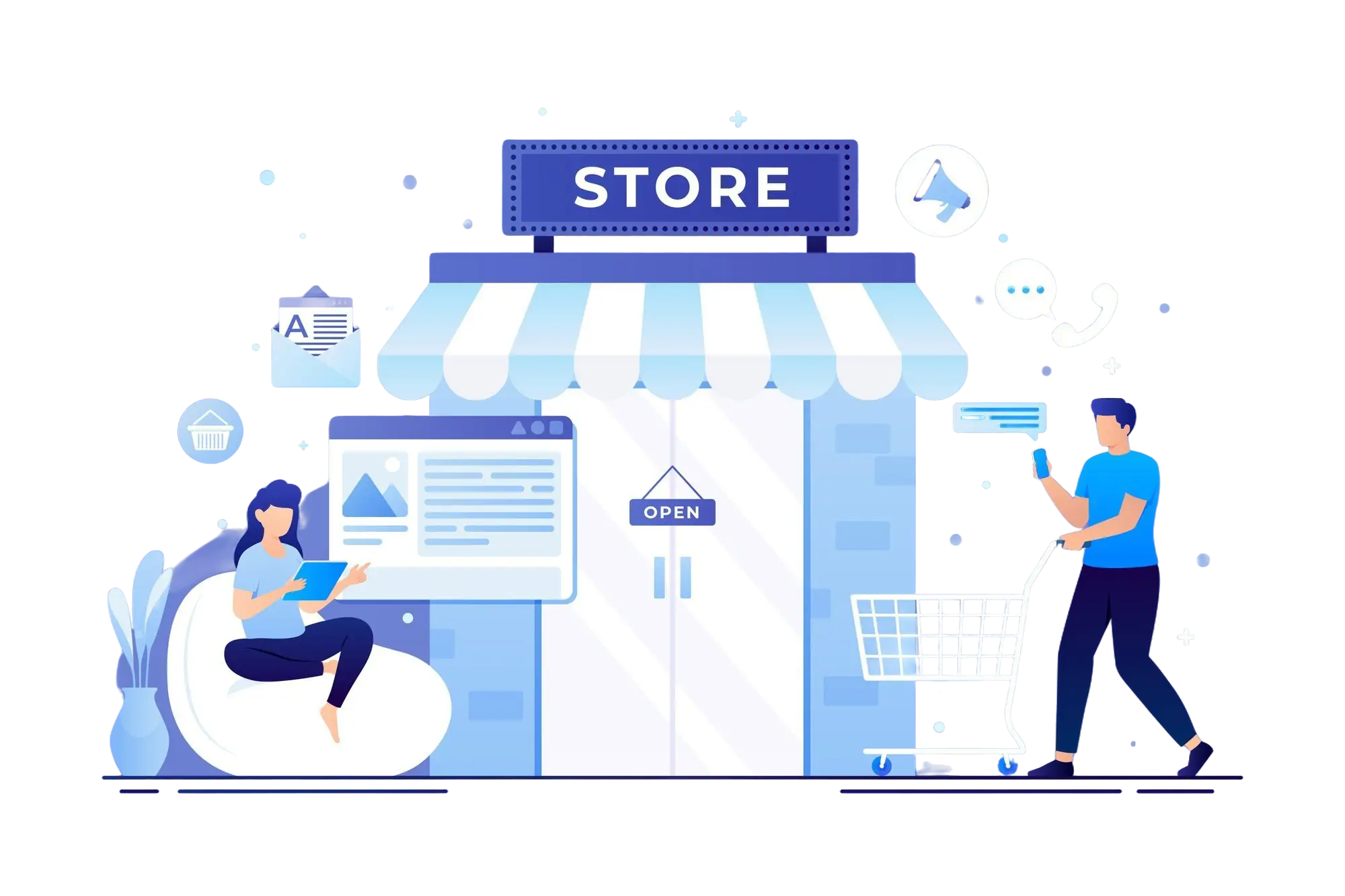
As a full-service ecommerce PPC agency in the USA, UniBright builds your strategy, runs your Google Shopping, Search, and Performance Max campaigns, and reports on performance as one connected system — paid advertising for online stores measured in profit, not clicks.
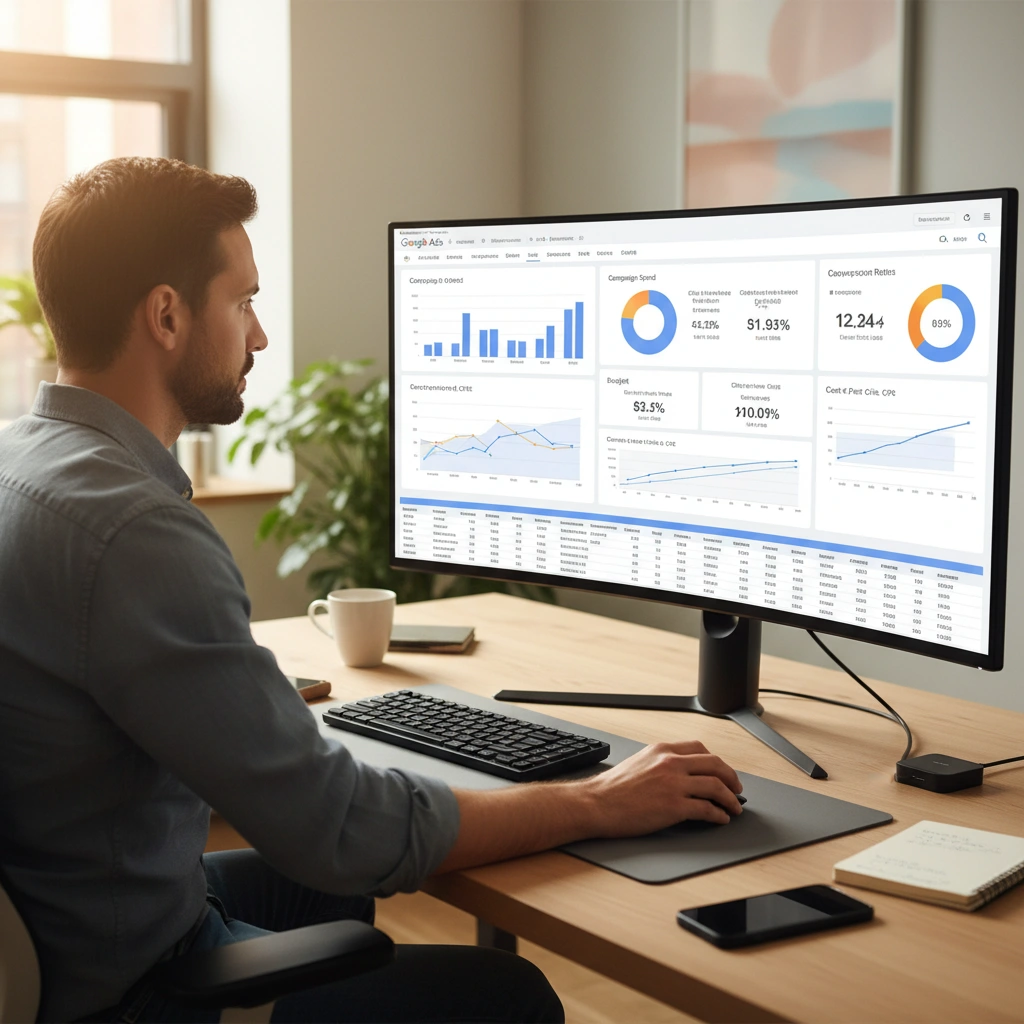
A full review of your account structure, search terms, feed health, and conversion tracking before any budget shifts, so decisions are built on data instead of guesswork.
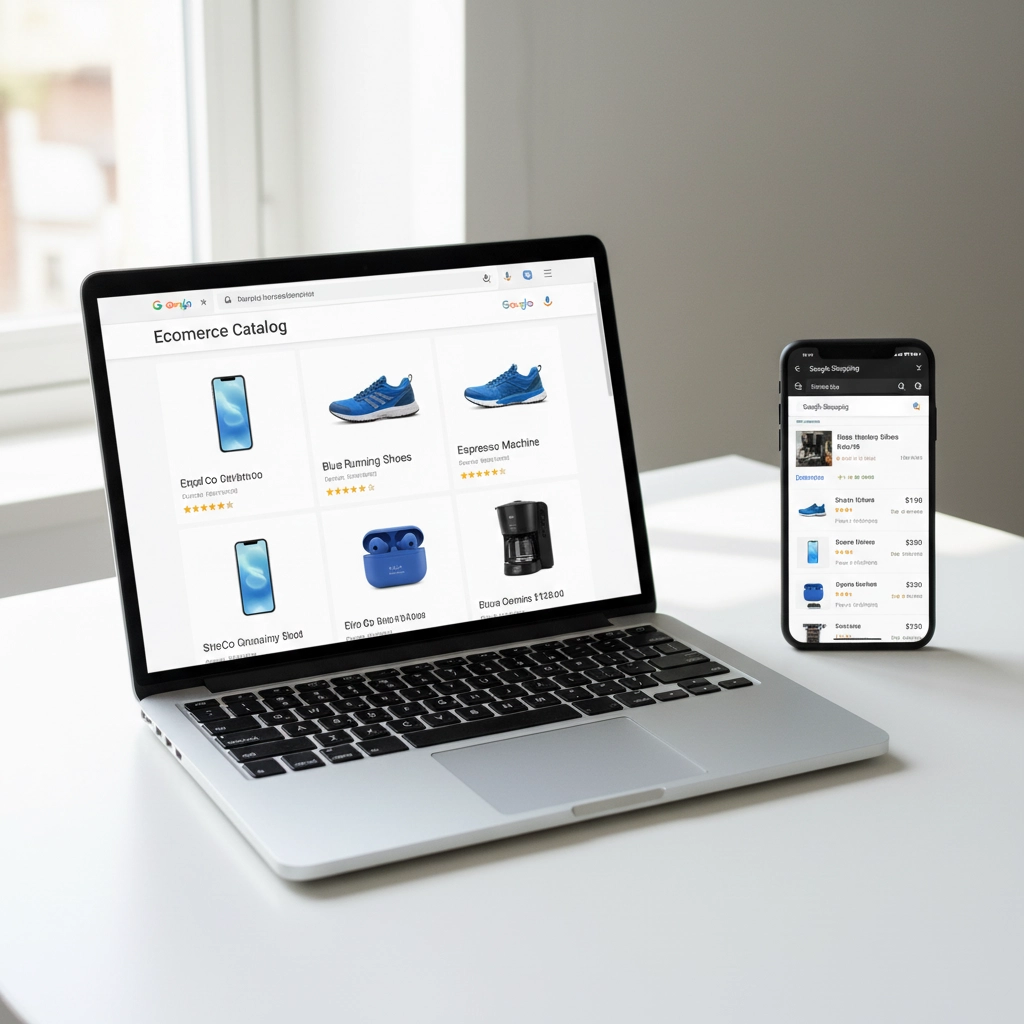
Merchant Center Next setup, feed cleanup, and title, attribute, and image optimization so your products surface for the searches that convert.

Tightly themed search campaigns and asset-group level Performance Max builds aimed at high-intent buyers, not just cheap clicks.

Target ROAS and target CPA bidding tuned around your margins, with budget shifted continuously toward the products and audiences that return the most.

Retargeting and lookalike campaigns across Google and Meta that bring back browsers and recover abandoned carts instead of paying to acquire them twice.
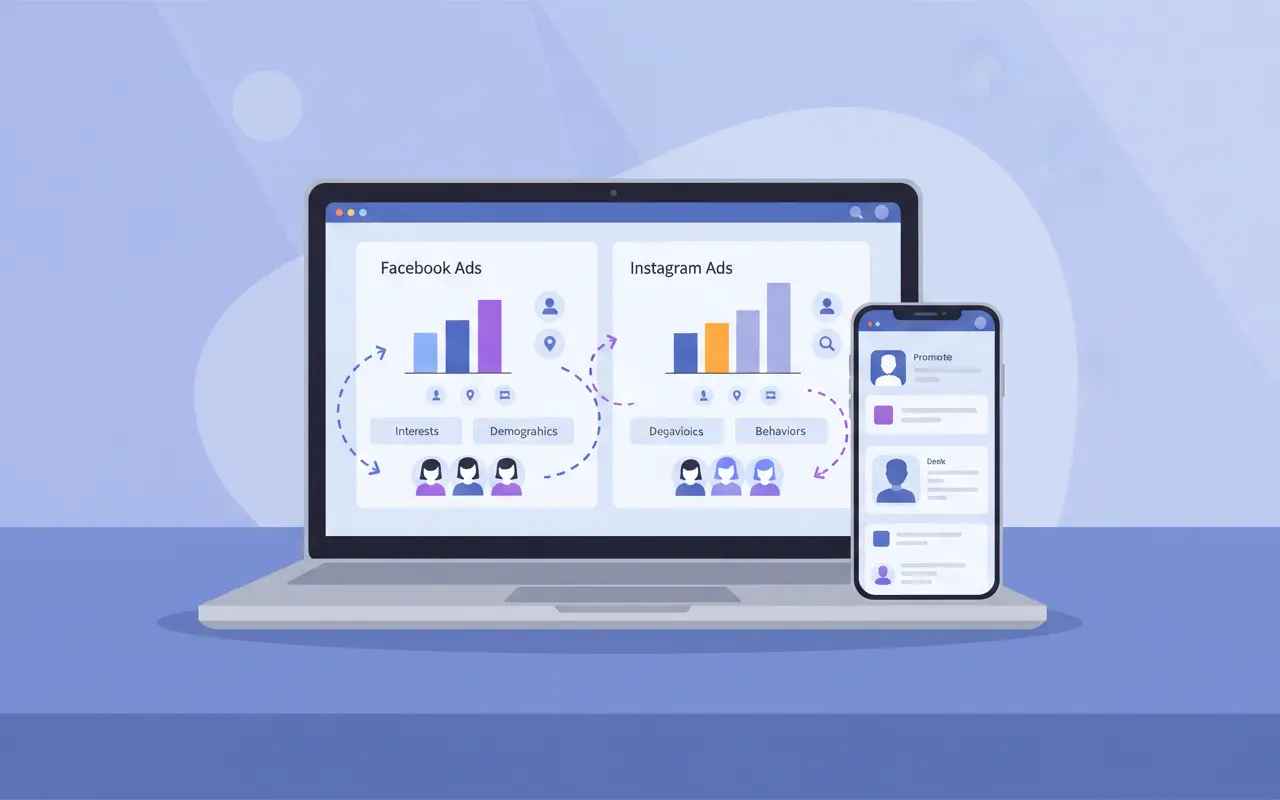
Retargeting and lookalike campaigns across Meta that bring back visitors, recover abandoned carts, and turn missed opportunities into repeat purchases instead of paying to acquire the same customers twice.
GA4 integration, server-side tracking, and clean conversion attribution so every reported sale is one you can trust and act on.

Using AI for bid signals, search-term analysis, and asset testing, with every strategic budget and structure decision reviewed and approved by a human specialist.

Creative-first TikTok ad campaigns that stop the scroll, reach high-intent audiences, and turn short-form videos into consistent sales instead of wasting impressions on content people skip.
Ecommerce PPC is paid advertising that drives shoppers to your online store — most often through Google Shopping, Search, Performance Max, Meta, and TikTok. You pay when someone clicks, and campaigns are optimized around purchases, ROAS, and profit instead of vanity metrics like impressions.
Shopping Ads show your product image, price, and store name and usually win for product discovery. Search Ads capture high-intent keyword queries and branded demand. Most profitable stores run both — Shopping for catalog coverage and Search for priority terms — under one measurement system.
A “good” ROAS depends on margins, AOV, and contribution after COGS and fees. Many ecommerce brands aim for 3×–5×+ once tracking and feeds are clean, but the real target is profitable growth — not a vanity ROAS that ignores returns, discounts, or rising CAC.
AI helps with bid signals, search-term clustering, creative testing, and Performance Max asset groups — but it needs clean conversion data and human oversight. UniBright uses AI for speed, then specialists approve budget, structure, and feed decisions so automation stays profitable.
Remarketing (and dynamic remarketing) re-engages people who viewed products or abandoned carts with ads showing the items they left behind. Paired with cart-recovery messaging, it recovers sales you already paid to acquire instead of starting from zero with cold traffic.
Look for feed expertise, Shopping + Performance Max depth, clean GA4 attribution, and reporting tied to ROAS, CAC, and contribution margin — not click volume. Ask for store-platform experience (Shopify/WooCommerce), transparent account access, and a clear testing roadmap.
Your product feed and creatives power ads across Google and social. When someone clicks, they land on a product or collection page. Conversion tracking ties that click to a purchase so bidding can optimize for revenue. Profit comes from feed quality, intent matching, and continuous budget allocation.
Yes — when the Merchant Center feed is accurate and campaigns are structured around margin and inventory. Shopping puts your products in front of buyers comparing options. Weak titles, missing GTIN/attributes, or broken tracking are what make Shopping feel expensive — not the channel itself.
You pay Google/Meta for ad spend plus a management fee. US ecommerce brands often invest from a few thousand dollars per month in media upward, depending on catalog size and growth goals. The right budget is the one that can buy enough conversion data to learn — then scale what is profitable.
SEO builds compounding organic visibility over months. PPC buys immediate, controllable traffic and can scale winning products quickly. The strongest stores use both: PPC for demand capture and testing, SEO for long-term cost efficiency on proven categories.
Yes. Shopify and WooCommerce both support product feeds, pixel/tag tracking, and checkout events needed for Shopping and Performance Max. Platform choice matters less than feed health, site speed, and conversion tracking — which UniBright configures for either stack.
Start with a clean feed and conversion tracking, build Shopping + Search for high-intent demand, add Performance Max carefully, then layer remarketing and Meta/TikTok for scale. Shift budget weekly toward products and audiences that return profit — not just the cheapest clicks.